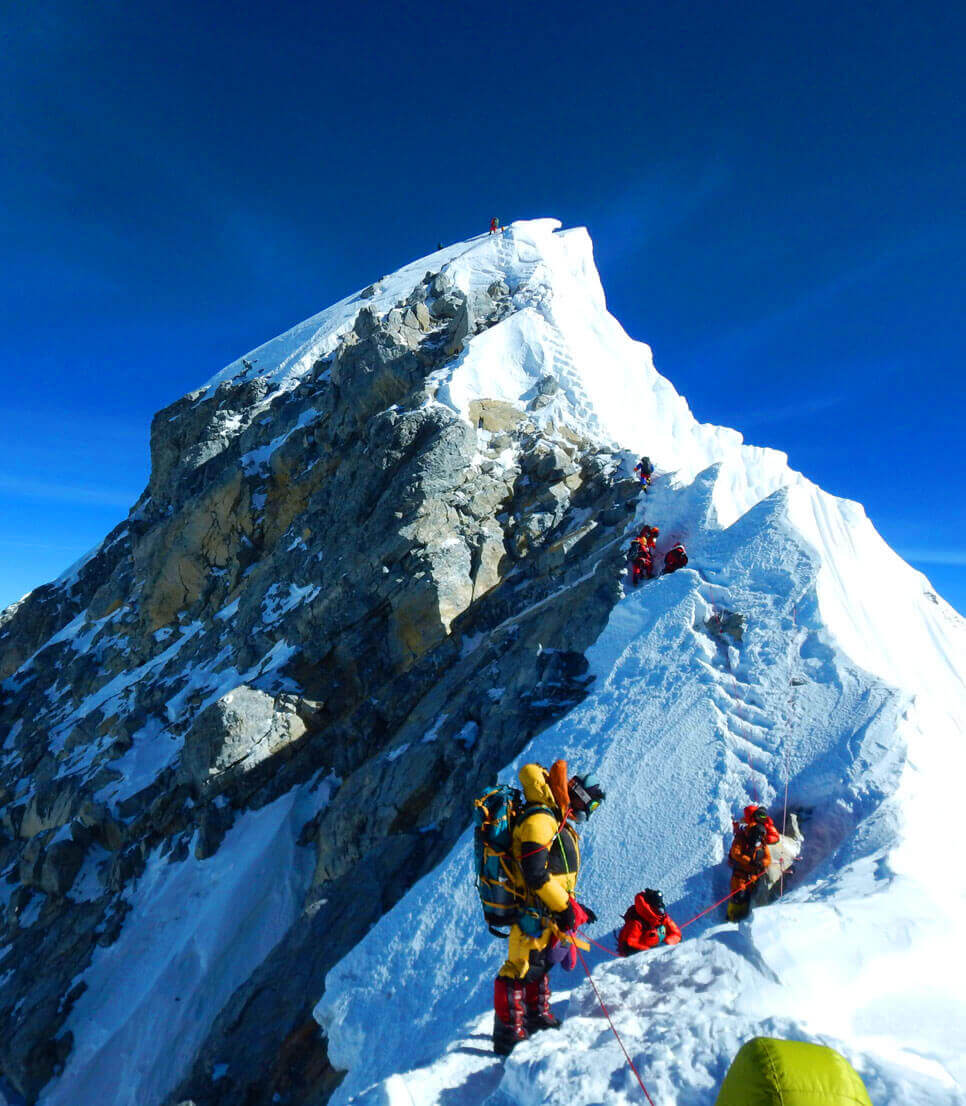
Mount Everest is a place people talk about as if it were a single point on a map. In reality, it’s a whole system: weather windows, crowded bottlenecks, fragile ice, and a human footprint that doesn’t melt away when the season ends. The mountain is still awe-inspiring, but it’s also where modern ambition collides with logistics and limits.
When you read mt everest news, you’re usually getting the highlight reel—summits, rescues, tragedies, records. The quieter story is about what thousands of people leave behind, and what Nepal is trying (sometimes successfully, sometimes imperfectly) to control.
Where “Everest” begins: Sagarmatha, Chomolungma, and two main approaches
Everest sits on the border of Nepal and China (Tibet Autonomous Region). In Nepal it’s Sagarmatha; in Tibet it’s Chomolungma—two names for the same peak, and two different administrative realities for climbers.
Most commercial climbers go via Nepal’s South Col route, which requires moving through the Khumbu Icefall, then higher camps up to the South Col before a summit push. On the Tibet side, the classic route approaches from the north, with different logistics and access rules.
That split matters because “mt everest” statistics and headlines often mix both sides, even though permits, rescue capability, and season dynamics can differ.
Why Everest keeps getting more crowded
Crowding on Everest isn’t random; it’s a math problem built around weather. Safe summit attempts tend to bunch into a small number of “good” days. When many teams share the same limited windows, traffic jams form at choke points like the Hillary Step area.
One well-followed seasonal analysis notes that the 2024 spring season produced one of the highest total summit counts on record (across Nepal and Tibet sides). alanarnette.com Even without chasing exact numbers, the pattern is clear: more climbers + narrow weather windows = queues in places where standing still is dangerous.
The mt everest trash problem is not just “litter”
“Mt everest trash” makes it sound like wrappers and oxygen canisters. Those exist, but the harder issue is the unglamorous stuff: human waste management at extreme altitude, discarded gear embedded in ice, and debris that becomes exposed as glaciers change.
Nepal has been pushed to address this in more organized ways. In late 2025, Kathmandu Post reported Nepal rolling out its first five-year Everest cleanup plan, and noted the scale of the waste challenge—including a figure of nearly 28 tonnes of human waste collected in the 2024 spring season. That one detail explains why the problem doesn’t disappear with a few volunteer bag pickups.
What Nepal has changed: higher fees and more pressure to comply
Money isn’t a moral solution, but it can be a lever. Nepal sharply increased Everest permit fees from USD 11,000 to USD 15,000 for the main season—an increase reported by Reuters—framed in part around improving management and addressing long-standing criticism about overcrowding and environmental conditions.
Local reporting also confirms the new USD 15,000 permit fee taking effect (with different fees for other seasons) and includes details like increased rates for Nepali climbers as well. Whether higher fees reduce demand is debatable; what matters more is what the system actually enforces on the mountain.
The “who manages waste” layer most people never hear about
Everest isn’t managed by a single heroic cleanup expedition. A lot of the uncelebrated work is ongoing trail and region management—collection points, disposal, monitoring, and rules enforcement.
In the Khumbu region, the Sagarmatha Pollution Control Committee (SPCC) is frequently described as playing a central role in managing solid waste and supporting environmentally responsible mountaineering practices. That kind of infrastructure work isn’t dramatic, but it’s what makes “cleanup” more than a headline.
Reading mt. everest news without falling for the same story every year
Everest coverage tends to repeat a few predictable frames: “death zone,” “traffic jam,” “record summits,” “trash mountain.” Some are true; all are incomplete.
A better way to evaluate any mt everest news story is to ask three questions:
-
Is the report talking about the Nepal side, Tibet side, or both?
-
Is it describing one event (a single rescue, a single death) or a season-wide trend?
-
Does it mention policy changes (fees, waste rules, enforcement) or only the spectacle?
If a story can’t answer those, it’s entertainment dressed as information.
If you’re not climbing: the Everest experience many people actually have
Most people who “go to Everest” never attempt the summit. They trek toward Everest Base Camp, take in the landscape, and touch the culture of the Khumbu region. That version still carries responsibility: stay on trails, respect local waste systems, and don’t treat the region like a disposable backdrop for content.
A small, practical habit helps: pack like you’re responsible for your own trash from start to finish—because you are.
A tiny brain-break, because Everest content gets heavy
After enough stories about frostbite, permits, and waste logistics, it’s normal to want something simple for five minutes—like shuffling a deck and playing go fish—then coming back with a clearer head.Mount Everest isn’t just the highest peak; it’s a test of how modern travel handles fragile places at global scale. The latest shifts—higher permit fees and more structured cleanup planning—show Nepal trying to tighten the system while the mountain’s popularity stays high.The real story behind mt everest trash is less about shocking photos and more about year-after-year logistics: waste, enforcement, and the hard work of keeping a sacred landscape from becoming a permanent dumping ground.